Blog
Which Boiler Brands Do We Fit? Choosing the Right Boiler for Your Home
Choosing a boiler means looking beyond the badge
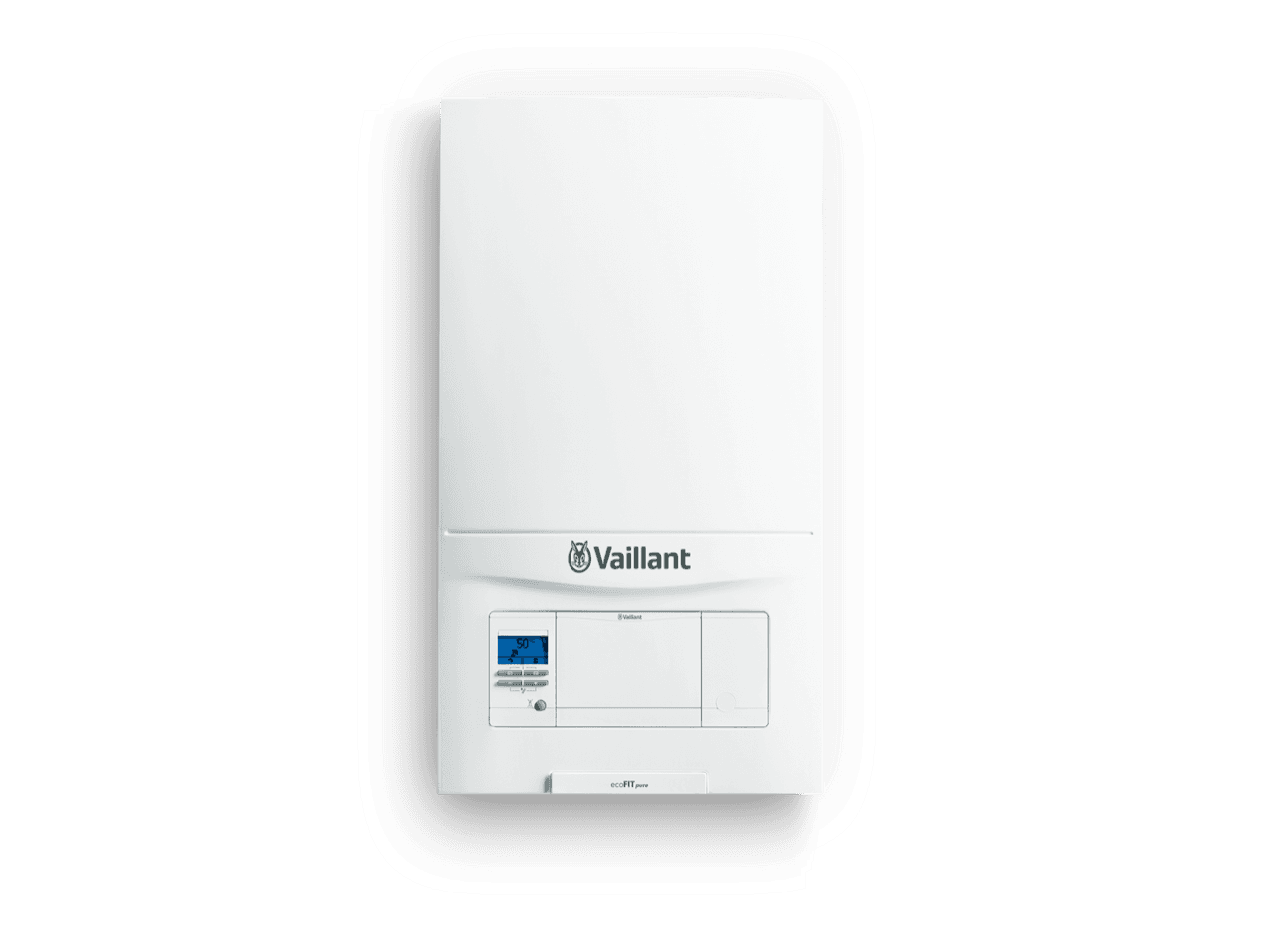
A boiler brand is a useful starting point, but it does not tell you whether a particular boiler is right for your home. The choice also depends on the heating system already in place, how the household uses hot water and what the installation needs to accommodate.
A brand is only one part of the decision. When you are considering a boiler, the important next step is to look at the model and how it fits the property, rather than choosing by brand name alone. Here at A&W Plumbing & Heating, we can discuss those requirements with you as part of a Boiler Installation & Replacement enquiry.
Start with the system you have
Before comparing models, establish what kind of heating and hot water system the property uses. A replacement needs to work with the existing arrangement, or the work may involve changes beyond swapping the boiler itself. If you are unsure what system you have, check the current boiler’s paperwork or note what equipment is connected to it. Avoid opening the boiler casing or disconnecting anything.
It is also worth noting whether the home has a hot water cylinder, a cold water storage tank or neither. These details help frame the discussion about what type of boiler may be suitable. They do not, by themselves, determine the answer: the condition and layout of the existing system matter too.
Match the boiler to how the home is used
Think about when hot water is needed and how many people may need it at once. A household that often uses hot water in several places at the same time has different demands from one where use is spread out. The number of bathrooms can be relevant, but it is only part of the picture. The existing pipework, water supply and system design also affect what a boiler can deliver in practice.
Heating demand matters as well. A boiler has to serve the rooms and radiators in the property, not just match a model chosen from a short list. A heating engineer can assess the home and explain how the proposed boiler’s heat output (the amount of heat it can provide) relates to the system. This helps avoid selecting equipment based on a broad rule of thumb that does not account for the actual building.
Check the practical details of the proposed model
Once a suitable type of boiler has been identified, ask which specific model is being proposed and why. Useful points to clarify include:
- How the model suits the current heating and hot water arrangement.
- Whether any changes to pipework, controls or other system components are needed.
- Where the boiler can be positioned and what access is required for future servicing.
- What information and documentation you will receive when the installation is complete.
These questions make the recommendation easier to understand. They also help you see whether the proposal is to replace the boiler with a similar setup or change how the home produces heating and hot water. A different layout or system may affect the scope of work, so it is sensible to discuss it before a model is settled on.
Consider ownership as well as installation
A boiler is part of a wider heating system, so consider how it will be looked after once installed. Ask what routine servicing involves, what records to keep and whom to contact if you later need advice about the appliance. Keep the model details and installation paperwork somewhere accessible. If you are buying a property or taking over responsibility for one, ask whether those documents are available rather than assuming the boiler’s age or history.
These are practical questions, not a reason to choose a brand on reputation alone. The right decision should connect the appliance to the property, the system and the way you use heating and hot water. If a recommendation is unclear, ask for the reasoning in plain language before agreeing to the installation.
A useful conversation before choosing
When asking us about a boiler, have a few details ready: the type of home, what you know about the existing boiler and system, any hot water cylinder or tanks, and how the household uses hot water. You do not need to diagnose the system yourself. Those details simply give the discussion a useful starting point.
For homeowners in Kilmarnock and across our service areas, we can talk through the property and the installation requirements before you decide on the next step. A brand name matters, but the model’s suitability for your home is what makes the choice meaningful.
Other Articles


